Jeremiah 2 - Bible Study, Explanation, and Application
Jeremiah 2 Bible Study
INTRO AND TIMELINE:
Jeremiah was a priest who lived in Anathoth (3 miles from Jerusalem). His ministry was directed towards the people of Judah, immediately before and during their exile in Babylon. His work as a prophet dates from 627 BC through the destruction of Jerusalem by the Babylonians in 586 BC.
Jeremiah is the longest book in the English Bible by word count. The book has 52 chapters.
Jeremiah prophesied under the following Kings of Judah:
Josiah (640-609 BC)
Jehoahaz (also known as Shallum, 609 BC)
Jehoiakim (also known as Jeconiah or Coniah, 609-598 BC)
Jehoiachin (598-597 BC)
Zedekiah (His reign ended when Babylon conquered Judah, (597-586 BC)
WHAT IS A CISTERN?
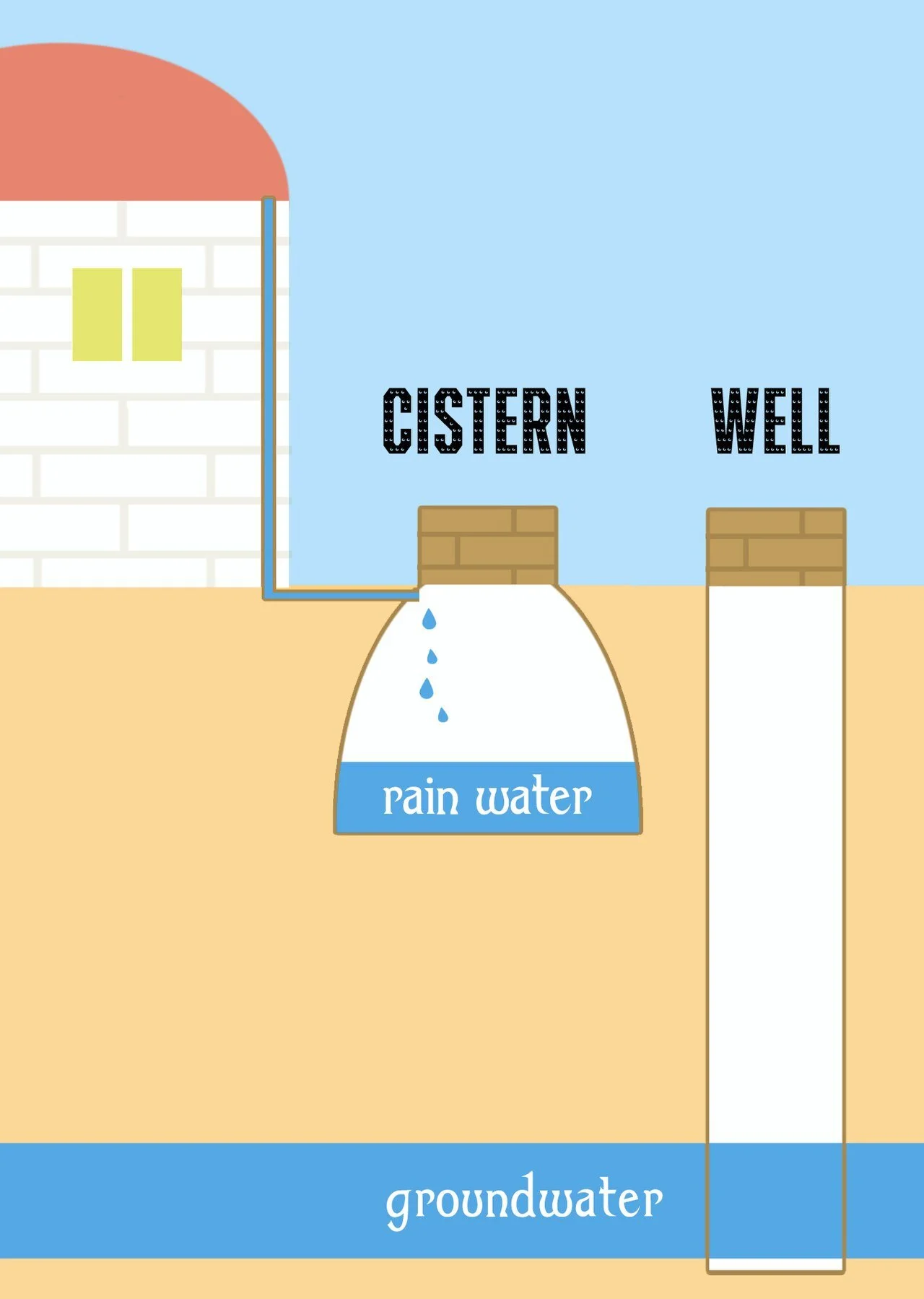
What is a cistern?
A cistern is a manmade tank or pool used for collecting water for future use.
By necessity, a cistern must be waterproof, otherwise it cannot fulfill its primary purpose. Cracks or holes in the cistern make the whole structure useless.
God compared Judah’s efforts to live life without Him to someone trying to collect water in a broken cistern.
OUTLINE:
JUDAH FORGETS THE LORD (2:1-11):
Jeremiah was sent by God to deliver a message to the people of Judah.
God asked the people of Jerusalem why they had forgotten Him.
God compared them to a bride who was faithful at first but later forgot her husband.
Israel and Judah were God’s prized possession. He nurtured and protected them.
He brought them out of Egypt and made them into a great nation with a fruitful land.
But after God was done saving them and blessing them, they forgot about Him, no longer bothered themselves with keeping His commands, and replaced Him with pagan gods.
JUDAH’S BROKEN CISTERNS (2:12-19):
God told the heavens to “be appalled” at Judah’s actions. They had betrayed their helper for idols that had never helped them.
They committed two great evils. First, they forsook God, the fountain of living water. Second, they tried to replace Him with cisterns, but their cisterns were broken and had leaks.
The picture here is that God is the all sustaining force and giver of life, but rather than relying on Him to provide and protect, Judah, in their pride, tried to do things their own way (build cisterns), but of course they failed because God’s provision is irreplaceable.
This abandoning of God had changed Judah’s fate. They were free when Jehovah was their God, but their embrace of other gods had made them prey for other nations. Their choices had caused them to go from free men to slaves.
Jeremiah asked, “Have you not brought this upon yourself by forsaking the Lord” (1:17).
Since their cisterns had failed, the people of Judah looked to Egypt and Assyria (the waters of the Nile and Euphrates) for an alliance against the Babylonians, but Jeremiah warned them their efforts would be useless.
PICTURES OF JUDAH’S UNFAITHFULNESS (2:20-37):
God had been Judah’s husband, but now they “bowed down like a whore” to idols on every high hill and green tree (2:20).
Judah was a vine planted from pure seeds, but they had made themselves into a wild and degenerate vine (2:21).
They were so dirty with sin they were like a piece of clothing that couldn’t be cleaned with soap (2:22).
Judah was like a wild donkey in heat, ready to mate with any willing male. Judah lusted for idols and gave themselves up freely to them and their immoral ceremonies.
They were going to be shamed like a thief caught in the act.
Judah was so stupid that instead of praising God for creating them, they looked at their idols made from trees and said, “You are my father” and their idols made from stones and said, “You gave birth to me.”
God asked the people again why they had forgotten Him.
He told them they would be held responsible for their sins.
APPLICATION:
There are some very strong pictures used in this chapter to describe Judah’s abandonment of God, pictures that generally wouldn’t be used in polite company.
That should tell us something! The fact that Jeremiah used these shocking word pictures should inform us just how terrible a thing it is for those who know of God’s goodness to abandon that knowledge to embrace the pleasures (gods) of the world.
Turning one’s back on Jesus is a shocking choice, one that appalls the heavens and is accurately portrayed with these strong images.
We need to keep this in mind when we’re tempted to give up our Christian life.
Peter uses equally strong language in the New Testament when discussing those who betray Jesus.
1 Peter 2:20-22 - For if, after they have escaped the defilements of the world through the knowledge of our Lord and Savior Jesus Christ, they are again entangled in them and overcome, the last state has become worse for them than the first. For it would have been better for them never to have known the way of righteousness than after knowing it to turn back from the holy commandment delivered to them. What the true proverb says has happened to them: “The dog returns to its own vomit, and the sow, after washing herself, returns to wallow in the mire.”
