Jeremiah 13 - Bible Study, Explanation, and Application
Jeremiah 13 Bible Study
INTRO AND TIMELINE:
Jeremiah was a priest who lived in Anathoth (3 miles from Jerusalem). His ministry was directed towards the people of Judah, immediately before and during their exile in Babylon. His work as a prophet dates from 627 BC through the destruction of Jerusalem by the Babylonians in 586 BC.
Jeremiah is the longest book in the English Bible by word count. The book has 52 chapters.
Jeremiah prophesied under the following Kings of Judah:
Josiah (640-609 BC)
Jehoahaz (also known as Shallum, 609 BC)
Jehoiakim (also known as Jeconiah or Coniah, 609-598 BC)
Jehoiachin (598-597 BC)
Zedekiah (His reign ended when Babylon conquered Judah, (597-586 BC)
JERUSALEM TO THE EUPHRATES RIVER:
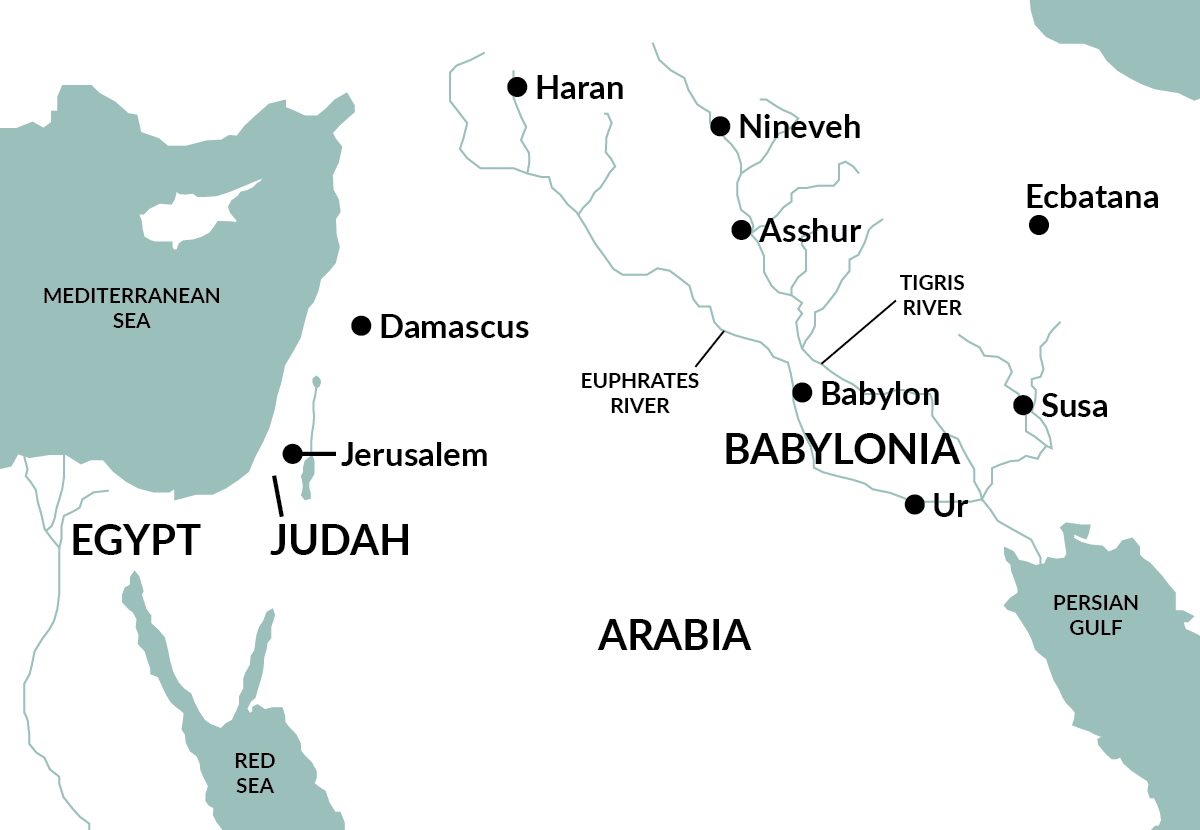
The closest distance (measured in a straight line) from Jerusalem to the Euphrates is 330 miles or 530 km. If Jeremiah walked 15 miles per day, it would have taken him 22 days one-way. Realistically, it would have taken longer, considering roads weren’t straight and Jeremiah would have needed to navigate around natural and man-made obstacles.
OUTLINE:
THE RUINED LOINCLOTH (13:1-11):
God told Jeremiah to buy a linen loincloth and wear it around his waist.
To modern readers, a loincloth conjures underwear images, but this may have been something more similar to the sash worn by the priests (Lev 16:4), it may have been a garment associated with respect, public office, and holiness.
Jeremiah did as the Lord commanded and wore the loincloth in Judah.
Later, God instructed him to go to the Euphrates River and hide the loincloth in a cleft of a rock.
Jeremiah did as the Lord commanded and then returned to Judah.
Many days later, God told the prophet to return to the Euphrates and recover the loincloth.
When Jeremiah did, he found the linen soiled and “good for nothing.”
God used the loincloth as an object lesson. Judah and Jerusalem had been respected and honorable at one point, but they had become like the spoiled loincloth, “good for nothing.”
They had gone from something dignified to something defiled because of their sins.
EVERY BOTTLE FULL OF WINE (13:12-27):
God likened the men of Judah to jars filled with wine, wine that led drunkenness and stupidity.
The wine of stupidity had filled all the men, even the priests, prophets, and kings.
Like clay jars thrown to the ground, God was going to dash the men of Judah into pieces.
Jeremiah warned the people to relinquish their pride and turn back to God before they were consumed by the darkness of their sins and its consequences.
God would send an army from the north to humble the pride of the king and queen of Judah.
The cities to the south (the Negeb) would be shut off and there would be nowhere to run.
The whole nation of Judah would be taken into exile.
Evil was so permanently a part of them it was like the leopard’s spots and the Ethiopian’s dark skin.
Without repentance, God would scatter Judah like chaff in the desert wind.
God said, “I have seen your abominations, your adulteries and neighings, your lewd whorings, on the hills in the field. Woe to you, O Jerusalem! How long will it be before you are made clean?” (13:27).
APPLICATION:
By nature of the job of a servant, sometimes a servant will have to do things they don’t personally want to do but that the master needs done.
Jeremiah didn’t initially want to be a prophet. I doubt Jeremiah wanted to walk 1200+ miles on trips up to the Euphrates River, but God needed the work done.
If we are going to be the servants of God, we should expect to have to do some things that make us uncomfortable.
Almost all of God’s servants in the Bible were asked to do things I’m sure they considered unpleasant.
In recent years, several “Christian” movements have sought to attract and retain people in the Church by making their experience as friction-free and comfortable as possible.
But that becomes problematic when the Church needs servants like Jeremiah.
People need to be brought into the Church with the understanding that it is a collective of servants, and that means sometimes doing hard things is going to be expected.
