Jeremiah 14 - Bible Study, Explanation, and Application
Jeremiah 14 Bible Study
INTRO AND TIMELINE:
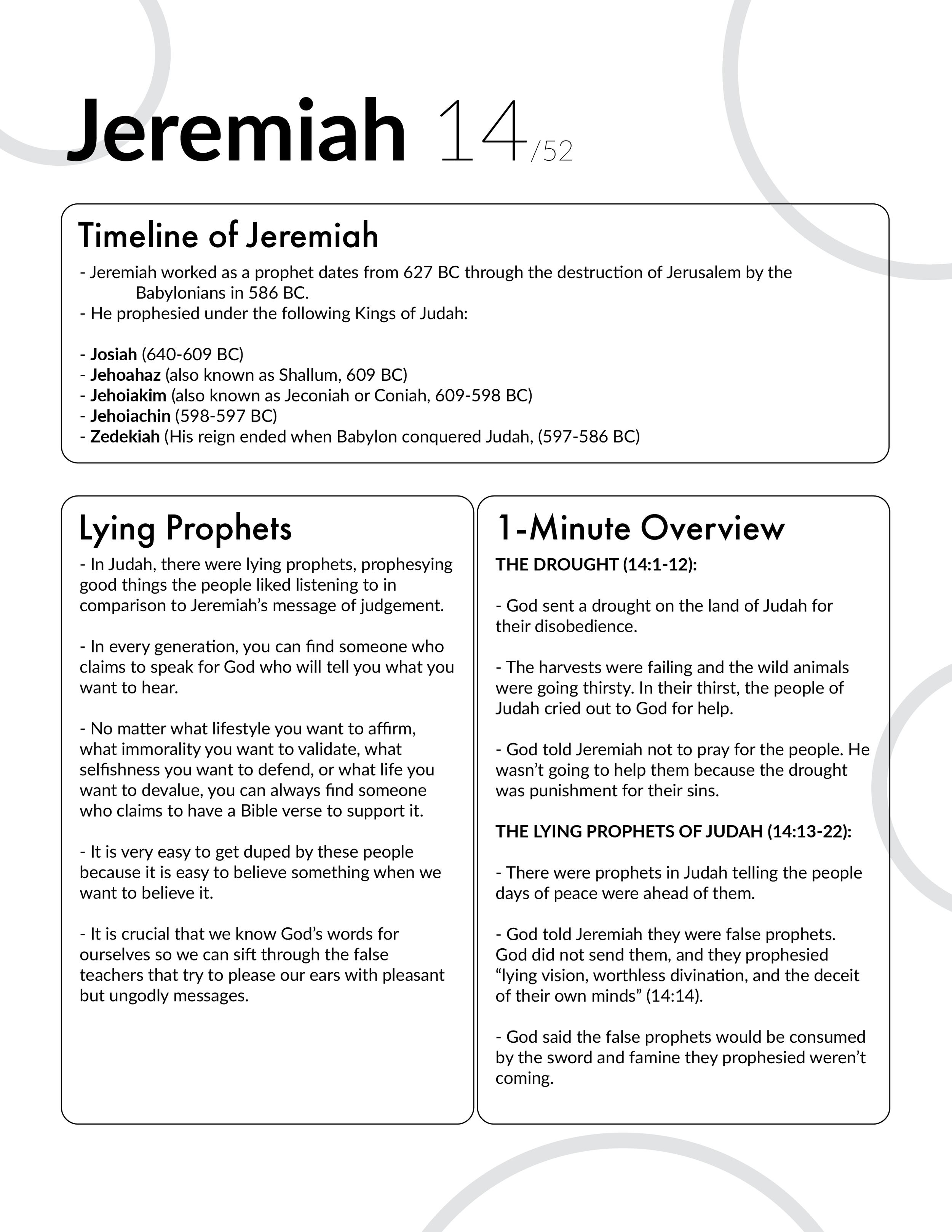
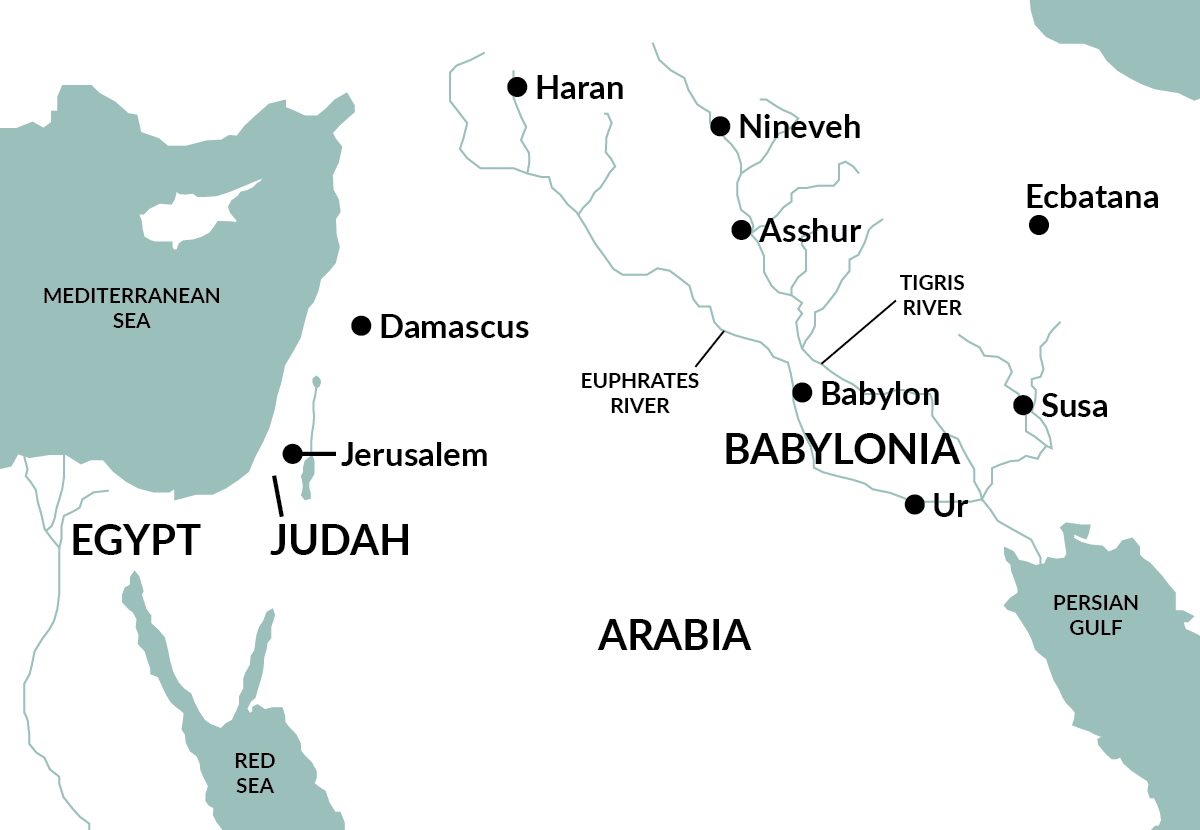
Jeremiah was a priest who lived in Anathoth (3 miles from Jerusalem). His ministry was directed towards the people of Judah, immediately before and during their exile in Babylon. His work as a prophet dates from 627 BC through the destruction of Jerusalem by the Babylonians in 586 BC.
Jeremiah is the longest book in the English Bible by word count. The book has 52 chapters.
Jeremiah prophesied under the following Kings of Judah:
Josiah (640-609 BC)
Jehoahaz (also known as Shallum, 609 BC)
Jehoiakim (also known as Jeconiah or Coniah, 609-598 BC)
Jehoiachin (598-597 BC)
Zedekiah (His reign ended when Babylon conquered Judah, (597-586 BC)
LYING PROPHETS:
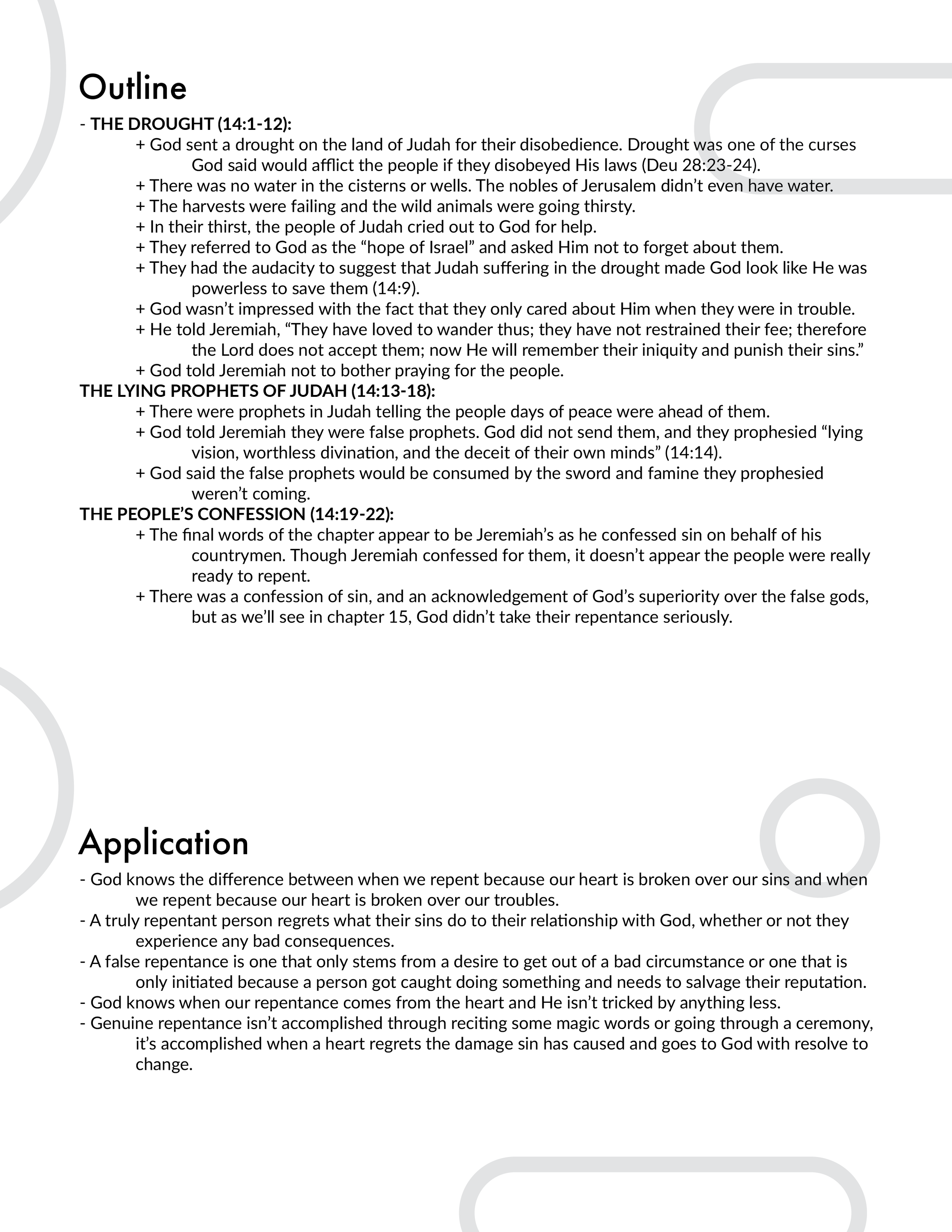
In Judah, there were lying prophets, prophesying good things the people liked listening to in comparison to Jeremiah’s message of judgement.
In every generation, you can find someone who claims to speak for God who will tell you what you want to hear.
No matter what lifestyle you want to affirm, what immorality you want to validate, what selfishness you want to defend, or what life you want to devalue, you can always find someone who claims to have a Bible verse to support it.
It is very easy to get duped by these people because it is easy to believe something when we want to believe it.
It is crucial that we know God’s words for ourselves so we can sift through the false teachers that try to please our ears with pleasant but ungodly messages.
OUTLINE:
THE DROUGHT (14:1-12):
God sent a drought on the land of Judah for their disobedience. Drought was one of the curses God said would afflict the people if they disobeyed His laws (Deu 28:23-24).
There was no water in the cisterns or wells. The nobles of Jerusalem didn’t even have water.
The harvests were failing and the wild animals were going thirsty.
In their thirst, the people of Judah cried out to God for help.
They referred to God as the “hope of Israel” and asked Him not to forget about them.
They had the audacity to suggest that Judah suffering in the drought made God look like He was powerless to save them (14:9).
God wasn’t impressed with the fact that they only cared about Him when they were in trouble.
He told Jeremiah, “They have loved to wander thus; they have not restrained their fee; therefore the Lord does not accept them; now He will remember their iniquity and punish their sins.”
God told Jeremiah not to bother praying for the people.
THE LYING PROPHETS OF JUDAH (14:13-18):
There were prophets in Judah telling the people days of peace were ahead of them.
God told Jeremiah they were false prophets. God did not send them, and they prophesied “lying vision, worthless divination, and the deceit of their own minds” (14:14).
God said the false prophets would be consumed by the sword and famine they prophesied weren’t coming.
THE PEOPLE’S CONFESSION (14:19-22):
The final words of the chapter appear to be Jeremiah’s as he confessed sin on behalf of his countrymen. Though Jeremiah confessed for them, it doesn’t appear the people were really ready to repent.
There was a confession of sin, and an acknowledgement of God’s superiority over the false gods, but as we’ll see in chapter 15, God didn’t take their repentance seriously.
APPLICATION:
God knows the difference between when we repent because our heart is broken over our sins and when we repent because our heart is broken over our troubles.
A truly repentant person regrets what their sins do to their relationship with God, whether or not they experience any bad consequences.
A false repentance is one that only stems from a desire to get out of a bad circumstance or one that is only initiated because a person got caught doing something and needs to salvage their reputation.
God knows when our repentance comes from the heart and He isn’t tricked by anything less.
Genuine repentance isn’t accomplished through reciting some magic words or going through a ceremony, it’s accomplished when a heart regrets the damage sin has caused and goes to God with resolve to change.
