Jeremiah 38 - Bible Study, Explanation, and Application
Jeremiah 38 Bible Study
INTRO AND TIMELINE:
Jeremiah was a priest who lived in Anathoth (3 miles from Jerusalem). His ministry was directed towards the people of Judah, immediately before and during their exile in Babylon. His work as a prophet dates from 627 BC through the destruction of Jerusalem by the Babylonians in 586 BC.
Jeremiah is the longest book in the English Bible by word count. The book has 52 chapters.
Jeremiah prophesied under the following Kings of Judah:
Manasseh (687-642 BC)
Amos (642-640 BC)
Josiah (640-609 BC)
Jehoiakim (initially known as Eliakim, 609-598 BC)
Jehoiachin (also known as Jeconiah or Coniah, 598-597 BC)
Zedekiah (His reign ended when Babylon conquered Judah, (597-586 BC)
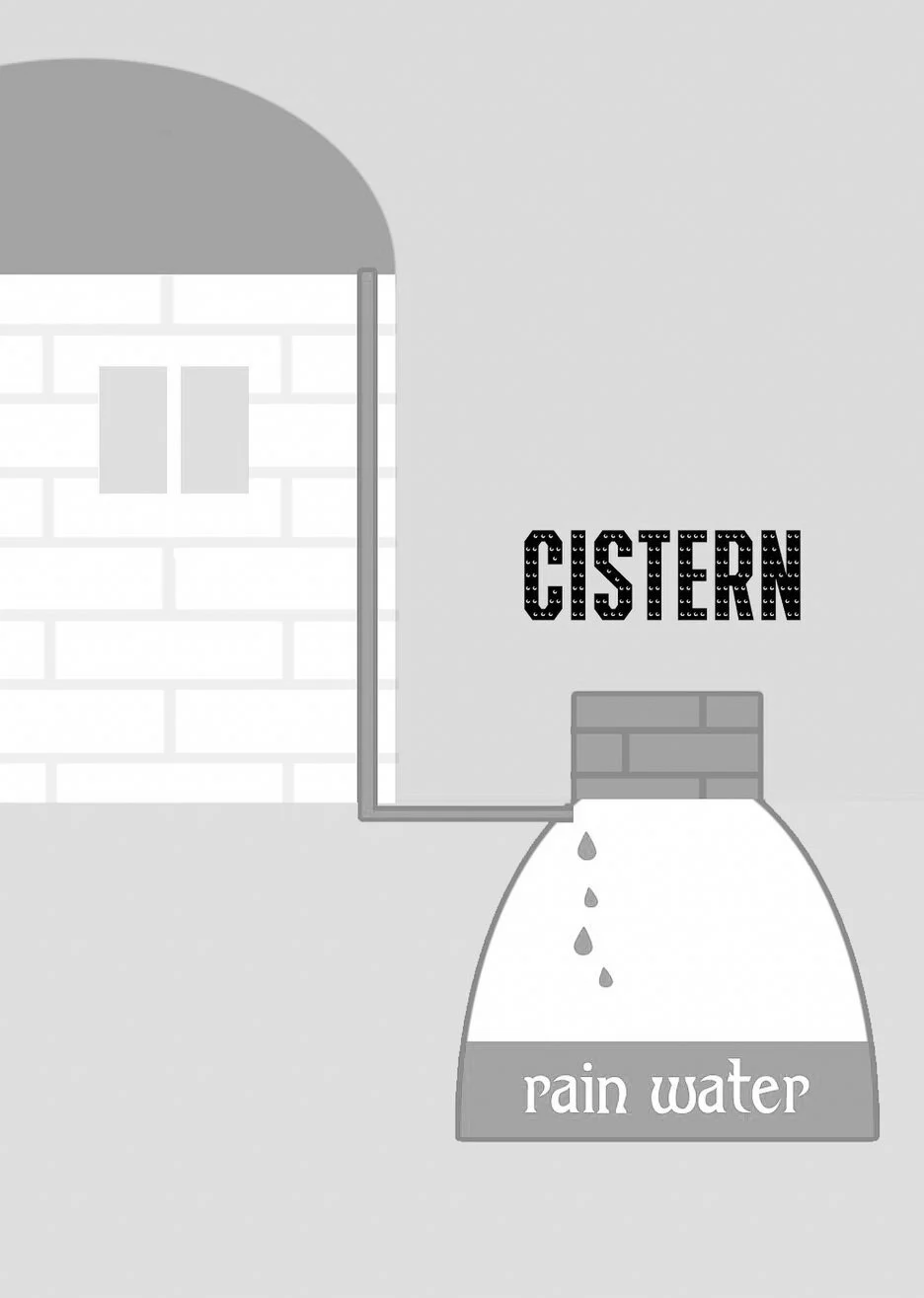
WHAT IS A CISTERN?:
A cistern is a manmade tank or pool used for collecting water for future use.
OUTLINE:
JEREMIAH IN THE CISTERN (28:1-6):
Jeremiah was preaching and encouraging people in Jerusalem to surrender to the Babylonians. He was telling them they would be spared if they surrendered, but they would die by sword, famine, or pestilence if they held out in Jerusalem.
Several of the officials of Jerusalem were angry that Jeremiah was harming the morale of the citizens. They asked King Zedekiah to execute Jeremiah.
Zedekiah told them he would not stand in their way if they wanted to kill Jeremiah.
Intending to kill Jeremiah in a cruel way, the officials put him in a cistern. There was no water in the cistern, only mud, and Jeremiah started sinking into the mud as soon as the officials put him inside.
EBED-MELECH SAVES JEREMIAH (38:7-13):
Ebed-melech, a eunuch from Ethiopia who lived in the king’s house, heard what had happened to Jeremiah.
He went to the king and asked for permission to save Jeremiah, which the king granted.
Ebed-melech took 30 men, and using old rags that he tied together into ropes, hoisted Jeremiah out of the mud and out of the cistern.
Jeremiah remained in the court of the guard after his rescue.
ZEDEKIAH SEEKS COUNCIL FROM JEREMIAH IN SECRET (38:14-28):
Zedekiah met with Jeremiah secretly and asked him if he had any message from God.
Jeremiah confirmed that he did, but told the Zedekiah he was hesitant to tell him because he believed the he would ignore it or else have him killed for speaking it.
Zedekiah promised he would not kill Jeremiah, even if the words were not to his liking.
Jeremiah told Zedekiah if he would surrender to Babylon, his life would be spared and the city would not be destroyed, but if he refused, he and his family would be captured and Jerusalem would burn.
Zedekiah made Jeremiah swear that he would keep their meeting secret.
When the officials of Jerusalem asked about their meeting, Jeremiah was to tell them their conversation centered around a request he made not to be sent back to prison in the house of Jonathan (37:15).
APPLICATION:
Sometimes you'll find true partnership and great companionship in people who don't look like you or don't share your background.
Those who will stand by your side aren't always those who share your genetics, were born in the same country as you, or share similar cultural experiences.
Jeremiah's countrymen hated him and hated God.
It was an Ethiopian who valued his life and trusted his God that came to his aid (39:16-18).
Sharing secular, cultural, or genetic similarities can be meaningful, but sharing a love for God is superior.
It is better to find a friend who is nothing like you but loves your God, than to find a friend who is like you in every other way except in your love for God.
