Jeremiah 47 - Bible Study, Explanation, and Application
Jeremiah 47 Bible Study
INTRO AND TIMELINE:
Jeremiah was a priest who lived in Anathoth (3 miles from Jerusalem). His ministry was directed towards the people of Judah, immediately before and during their exile in Babylon. His work as a prophet dates from 627 BC through the destruction of Jerusalem by the Babylonians in 586 BC.
Jeremiah is the longest book in the English Bible by word count. The book has 52 chapters.
Jeremiah prophesied under the following Kings of Judah:
Manasseh (687-642 BC)
Amos (642-640 BC)
Josiah (640-609 BC)
Jehoiakim (initially known as Eliakim, 609-598 BC)
Jehoiachin (also known as Jeconiah or Coniah, 598-597 BC)
Zedekiah (His reign ended when Babylon conquered Judah, (597-586 BC)
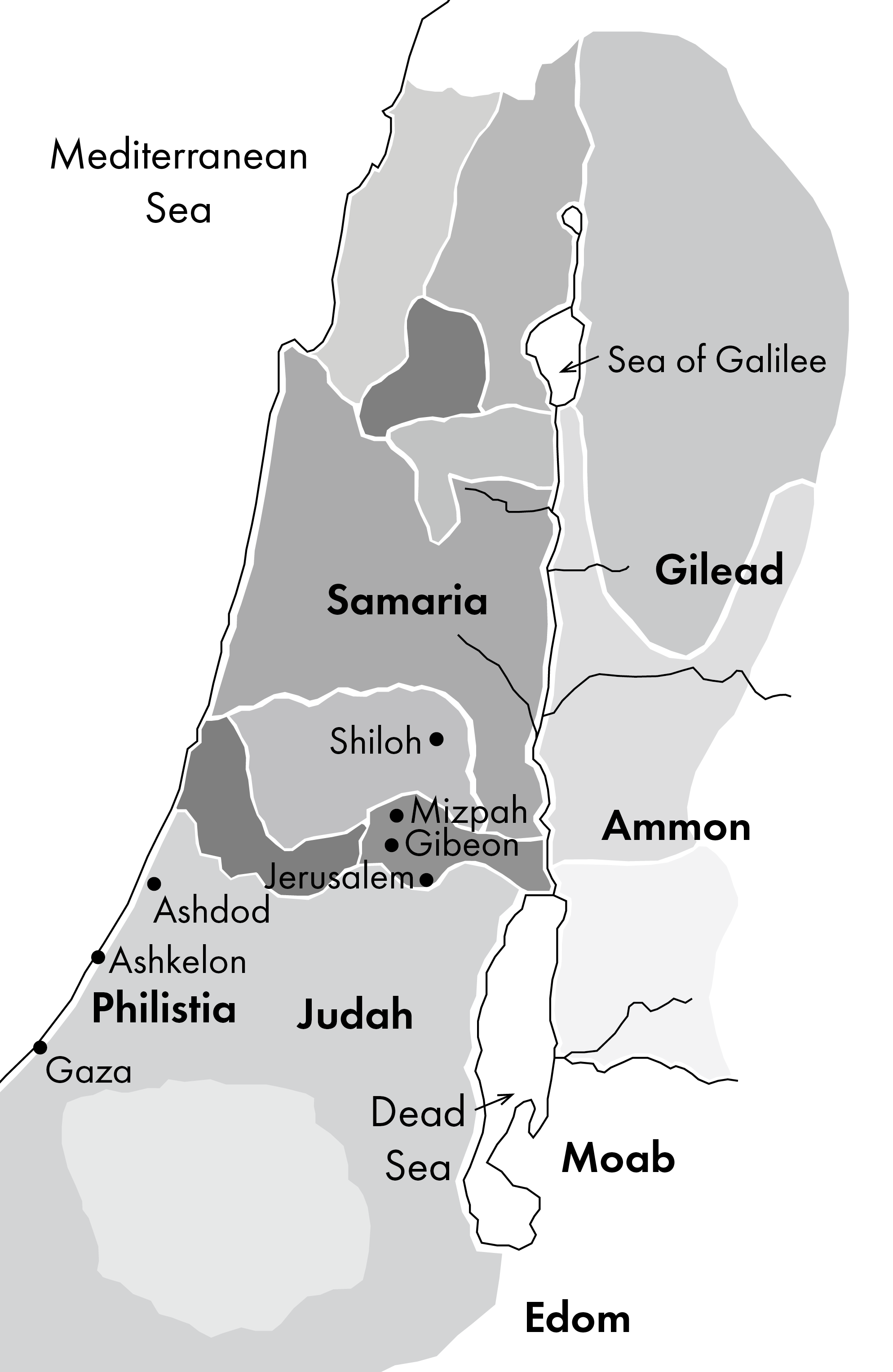
MAP OF PHILISTIA - JEREMIAH 47:
OUTLINE:
GOD’S JUDGEMENT ON THE PHILISTINES (47:1-7):
This prophecy was delivered to Jeremiah by God before Pharaoh of Egypt fought against and defeated the Philistines in Gaza. The date of the prophecy is unknown.
Jeremiah prophesied in poetic language the downfall of Philistia and its inhabitants. They would be defeated by the Egyptians and then subjugated by the Babylonians.
Their enemies were described as a torrent of flowing water rising from the north.
In their cities, the sound of stallions and chariots would strike fear into their men, so much so that they would abandon their children to save themselves.
God’s sword would be unsheathed against the Philistines, and it would not be put back in its scabbard until it fulfilled the commission God gave it.
APPLICATION:
Just because your sins haven’t garnered as much attention as someone else’s sins, doesn’t mean God has forgotten about yours or takes them less seriously.
We’ve talked very little about the Philistines in Jeremiah. All of the attention has been on the sins of Judah and Jerusalem, but it would have been a mistake to conclude God wasn’t paying attention to the behavior of the other nations.
Sometimes, people’s sins are exposed publicly and they become the talk of the town and the talk of the Church. For a while, all the attention shifts towards condemning their actions and talking about how “people like them” reflect poorly on the Church.
It’s easy to talk about other people’s sins, especially when everyone else is doing it with you.
Sometimes talking about other people’s public failures, makes our private sins feel less bad.
When we spend a lot of time talking about other people’s sins, sometimes we forget about our own.
But guess who hasn’t forgotten about our sins? God!
While He may not chose to expose our sins publicly, that doesn’t mean He excuses them.
Jeremiah wrote mostly about Judah, but that didn’t mean God was blind to the Philistines.
Your sins may never be exposed the way Judah’s were, but rather than shaming, gossiping, and busying yourself talking about Judah, you better be getting your own house in order, because in the end, everything will be exposed, and God’s unsheathed sword waits to judge the secrets of all men.
Heb 4:12-13 - For the word of God is living and active, sharper than any two-edged sword, piercing to the division of soul and of spirit, of joints and of marrow, and discerning the thoughts and intentions of the heart. And no creature is hidden from His sight, but all are naked and exposed to the eyes of Him to whom we must give account.
