Jeremiah 5 - Bible Study, Explanation, and Application
Jeremiah 5 Bible Study
INTRO AND TIMELINE:
Jeremiah was a priest who lived in Anathoth (3 miles from Jerusalem). His ministry was directed towards the people of Judah, immediately before and during their exile in Babylon. His work as a prophet dates from 627 BC through the destruction of Jerusalem by the Babylonians in 586 BC.
Jeremiah is the longest book in the English Bible by word count. The book has 52 chapters.
Jeremiah prophesied under the following Kings of Judah:
Josiah (640-609 BC)
Jehoahaz (also known as Shallum, 609 BC)
Jehoiakim (also known as Jeconiah or Coniah, 609-598 BC)
Jehoiachin (598-597 BC)
Zedekiah (His reign ended when Babylon conquered Judah, (597-586 BC)
THE FOWLER’S TRAP:
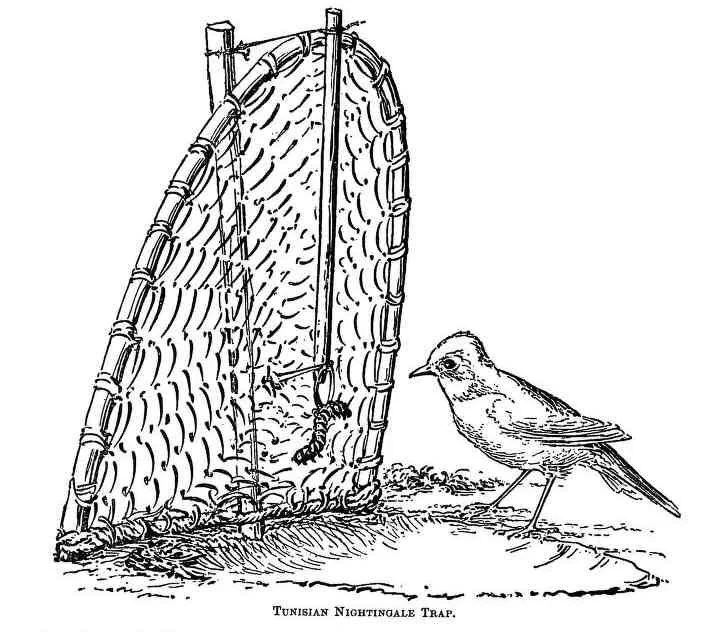
In Jeremiah 5:26, the prophet speaks of fowlers setting traps.
Jer 5:26 – For wicked men are found among my people; they lurk like fowlers lying in wait. They set a trap; they catch men.
Before the invention of firearms, catching wild birds with traps and snares was much more popular.
A fowler was a professional bird catcher.
In the Scriptures, the fowler’s snare is often used as a metaphor for a trap set by evil men.
The psalmist of Psalm 91 spoke about God being a refuge from the snares of the fowlers (Psalm 91:3, see also Psalm 125:7).
OUTLINE:
NO RIGHTEOUS MEN IN JERUSALEM (5:1-13):
God said He would pardon Jerusalem if one righteous man could be found in the city, but a search through the streets would come up empty-handed (reminiscent of God’s conversation with Abraham about Sodom, Genesis 18).
There was no respect for God in the city. Men would make false oaths and swear by God’s name to make their lies sound more credible.
Jerusalem had been disciplined by God, but they didn’t learn from the correction.
Jeremiah initially assumed only the poor of the city had fallen into degeneracy because they weren’t educated enough to know God’s laws, but a quick inquiry made it clear that the rich and powerful men of the city were just as debased. Jeremiah concluded they were all alike.
God compared the men to “lusty stallions,” each with his eye on his neighbor’s wife.
How could a righteous God forgive such persistent evil? He said, “Shall I not punish them for these things… shall I not avenge Myself on a nations such as this?
The men of Judah mocked the idea that they would be held accountable. They said of God, “He will do nothing; no disaster will come upon us” (5:12).
JUDGEMENT ON THE WAY (5:14-31):
God would not tolerate being mocked by arrogant men. He told Jeremiah He would make his words like fire and the people of Judah like wood for the burning.
God repeated His announcement that He was going to bring a foreign nation to exact judgement on Judah.
This foreign enemy would consume all the blessings God had given His people, their harvests, their children, their livestock, and their strong cities.
If the citizens of Jerusalem wanted to serve the God’s of the foreigners, God would give the whole nation into the hands of the foreigners.
What Judah lacked was proper fear of the Lord, so God would instill it in them.
“For wicked men are found among my people… like a cage full of birds, their houses are full of deceit; therefore they have become great and rich; they have grown fat and sleek. They known no bounds in deeds of evil; they judge not with justice the cause of the fatherless… and they do not defend the rights of the needy” (5:26-28).
Even the so-called religious leaders in Judah were corrupt. The prophets prophesied lies and the priests ruled over the people, not according to God’s law, but according to their own direction.
APPLICATION:
It’s not ok just to throw God’s name around anyway we want.
The people of Judah were swearing by God’s name to try to make their lies sound more convincing to the people they were trying to deceive.
How many times have you heard somebody say, “I swear to God.” I’ve heard people say that when I knew they were telling a bold-faced lie.
It’s not just in swearing that we need to respect God’s name. In no part of our speech should we treat the name of God as if it isn’t holy.
Be careful about the statements you make that invoke the name of God. Be careful about the jokes you make, that they don’t treat God’s name flippantly and as something that can be used for a cheap laugh.
There are plenty of things we can make light of in our speech, God’s name isn’t one of them.
I suspect if we could see even half of God’s greatness, it would be enough to shock us into only speaking His name in the most revered way for the rest of our lives.
