Joel 1 - Bible Study, Explanation, and Application
Joel Bible Study
JOEL TIMELINE:
The date of the writing of the Book of Joel is a mystery. The text does not provide specifics to help modern readers know where it fits within the context of the other prophets.
Estimates from biblical interpreters span from the 800s to the 400s B.C. Some think it was written before the exile of Judah to Babylon (607-537 BC), but others suspect it to be a post-exilic work.
LOCUST PLAGUES:
One of the key elements of the Book of Joel is a locust plague that ravaged the land of God’s people.
We read about plagues of locust several times in the Bible, and its often made clear that they were sent at God’s direction, but locust plagues can also be a naturally occurring phenomenon.
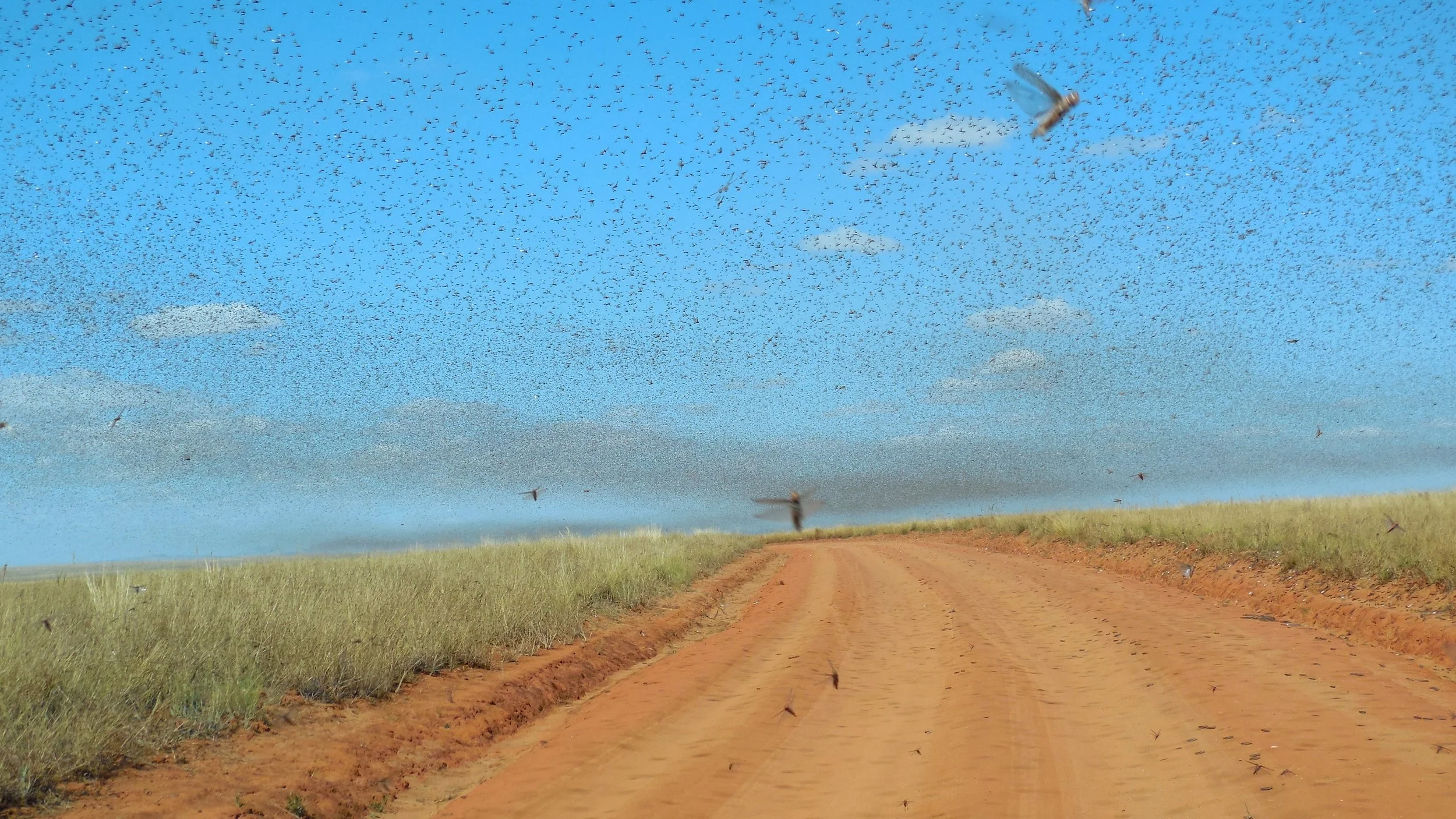
A significant plague of locusts caused famine in Arab and African countries back in 2019-2022.
The photo below shows a locust swarm in Madagascar in 2014.
OUTLINE:
THE LOCUST AND THE FAMINE (1:1-12):
Joel begins his writing by telling the people of Judah to pay special attention to the events happening around them. The events were meaningful, and the lessons contained in them were to be taught down through the generations.
God had sent a devastating locust plague (cutting locust, swarming locust, hopping locust, and destroying locust, 1:4). These locusts ruined the land and plunged the people into famine and financial instability.
The locusts were compared to a mighty nation, uncountable in number, with teeth like those of lions.
Joel told the drunkards in Judah to mourn because the grapes were gone. He told the farmers to wail because their grain was destroyed. He told the priests to be sad because there was nothing left for the people to bring to the Temple to offer to God. He told the keepers of the vineyards to languish in the loss of the fig, pomegranate, and apple harvest.
THE REASON FOR THE LOCUST AND FAMINE (1:13-20):
What was the reason for these circumstances in Judah, were the people simply victims of unfortunate natural events? No! The people were receiving supernatural judgement. God sent the locust.
Joel told the people to put on sackcloth (a sign of mourning) and to lament over their sins. They were sad about their lost harvest, but what they really needed to be sad about was their sins.
Joel ordered the priests to announce a fast and a “solemn assembly” so the people could cry out to the Lord for forgiveness.
They were warned to fear “the day of the Lord” (the day of God’s judgement), a day of even greater punishment that would befall them if they refused to repent.
The bare trees, ruined fields, and famine were just a sampling of God’s disciplinary power, and the people of Judah needed to learn the lesson God was teaching them through those things.
APPLICATION:
This chapter describes another marvelous working of God’s providence, that God can control the minds of animals to achieve His goals.
Animals are a part of God’s creation, and their behavior is, at least sometimes, guided by more than just natural instinct and animalistic impulse, sometimes they behave specifically as their Creator directs them.
While we can’t know for sure when an animal is acting under the control of God, Joel and other Old Testament authors help us understand just how totally in control of the world God is and how many tools He has at His disposal to shape the destinies of men and the direction of the earth.
