Jeremiah 25 - Bible Study, Explanation, and Application
Jeremiah 25 Bible Study
INTRO AND TIMELINE:
Jeremiah was a priest who lived in Anathoth (3 miles from Jerusalem). His ministry was directed towards the people of Judah, immediately before and during their exile in Babylon. His work as a prophet dates from 627 BC through the destruction of Jerusalem by the Babylonians in 586 BC.
Jeremiah is the longest book in the English Bible by word count. The book has 52 chapters.
Jeremiah prophesied under the following Kings of Judah:
Manasseh (687-642 BC)
Amos (642-640 BC)
Josiah (640-609 BC)
Jehoiakim (initially known as Eliakim, 609-598 BC)
Jehoiachin (also known as Jeconiah or Coniah, 598-597 BC)
Zedekiah (His reign ended when Babylon conquered Judah, (597-586 BC)
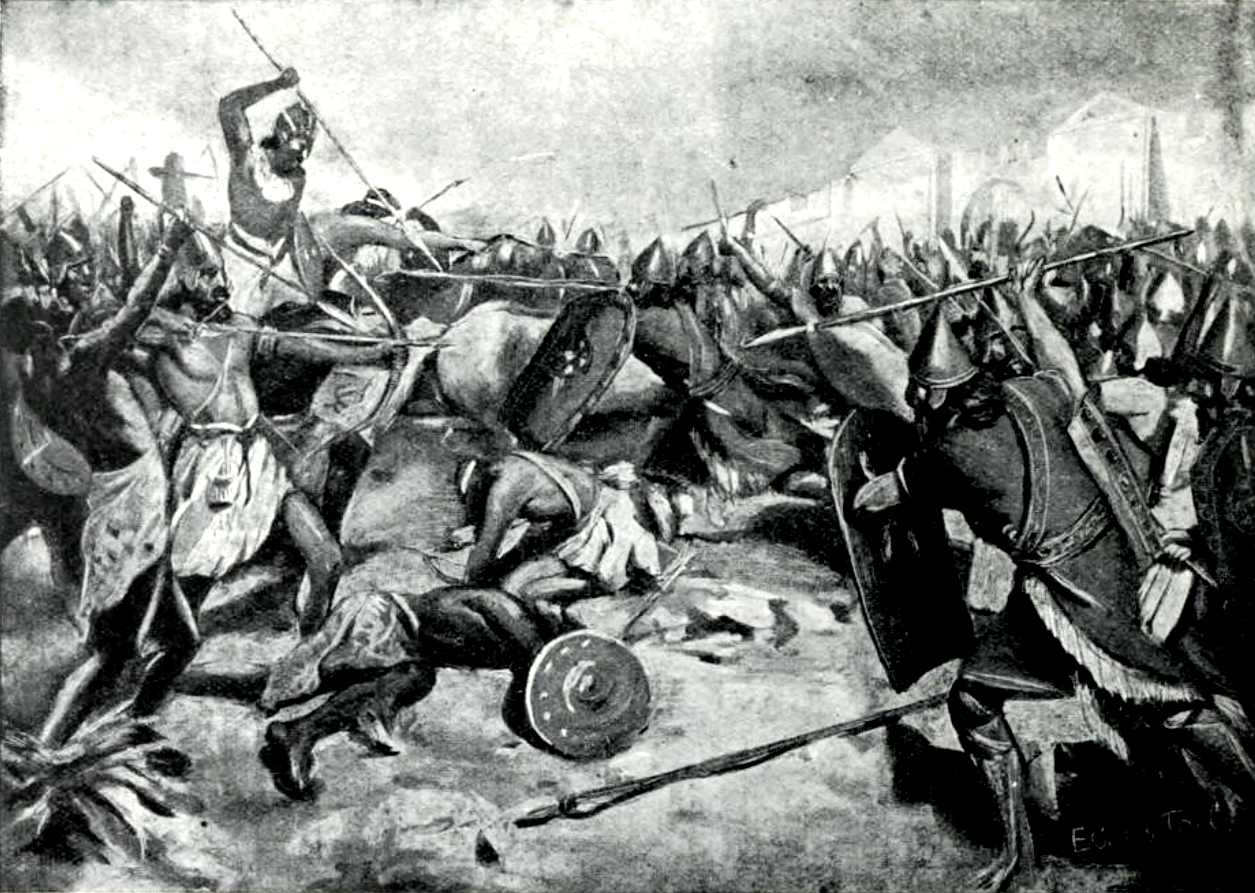
BATTLE OF CARCHEMISH, 605 BC:
The year 605 BC was significant for several reasons. First, it was the year the prophecy of Jeremiah 25 was delivered. Second, it was the year the Battle of Carchemish was fought.
An Egyptian and Assyrian alliance met the Babylonian army at Carchemish (modern day Syria) to fight for dominance over a significant portion of the known world.
The Babylonians, led by Nebuchadnezzar, defeated the Egyptian-Assyrian alliance and significantly reduced the influence and power of both nations.
This opened the door for Babylon to bring a huge portion of the ancient world under their control.
OUTLINE:
70 YEARS OF CAPTIVITY PROPHESIED (25:1-14):
The prophecy in Jeremiah 25 is dated to the fourth year of Jehoiakim, which was the first year of Nebuchadnezzar as king of Babylon. Most historians place this in 605 or 604 BC.
Jeremiah spoke to all the people of Judah and rebuked them for ignoring his preaching for 23 years (since the 13th year of Josiah).
God had sent various prophets to them, and they had ignored them all.
They were told not to worship idols, but they did anyway. They were told to quit their evil deeds, but they doubled-down in wickedness.
Because of their stubbornness, God told them He was sending Babylon into Judah to devote the nation to destruction.
God’s anger would suck all the joy, mirth, and gladness out of the land.
Judah would serve the king of Babylon 70 years (25:12).
When Judah’s 70 years were complete, God foretold judgement on Babylon. God used them to judge Judah but they were also ripe for judgement.
THE CUP OF THE WRATH OF GOD (25:15-38):
God told Jeremiah to take a cup from His hand. The cup was the “cup of the wine of wrath” (25:15).
The nations that did not honour God would be made to drink from the cup, beginning with Judah.
The list of other nations included: Egypt, the Philistines, Uz, Edom, Moab, Ammon, Tyre, Sidon, Dedan, Tema, Buz, Arabia, Zimri, Elam, Media, and others.
The last to drink of the cup would be Babylon.
God would send a sword against all these nations. Jeremiah wrote, “The Lord will roar from on high, and from his holy habitation utter His voice, He will roar mightily against against His fold, and shout, like those who tread grapes, against all the inhabitants of the earth. The clamour will resound to the ends of the earth, for the Lord has an indictment against the nations; he is entering into judgement with all flesh, and the wicked He will put to the sword” (25:30-31).
God was going to begin His judgement in Judah and Babylon would be the instrument of His judgement. Afterwards, God would use Babylon, and perhaps other countries, to judge nations across the globe. Finally, Babylon would receive their judgement.
No distance was too great for God to reach. Any nation He targeted would not avoid His wrath.
Jeremiah told the leaders of these wicked nations (the shepherds) to wail and mourn over their fate.
God was leaving His lair like a lion to hunt down those who opposed Him. No army would stop Him, and no hiding place would conceal His prey.
BIBLE COMPREHENSION:
“The cup of God’s wrath is a biblical metaphor describing God’s anger and punishment for sin. In ancient times, a cup could represent hospitality, fellowship, and covenant. In Jewish culture, a cup could also symbolize one’s portion or lot in life, and that concept is used in many biblical passages to represent divine favor or judgment” (gotquestions.org).
Jeremiah was not the only one to use this language, it’s found in several other books of the Bible.
Psalm 78:5 pictures God with a cup of foaming wine that He forces the wicked to drink.
Isaiah, in Isaiah 51:17, describes God’s cup of wrath drunk by Jerusalem.
Before dying on the cross, Jesus prayed “My Father, if it be possible, let this cup pass from me; nevertheless, not as I will, but as You will” (Matthew 26:39). The cup was His eminent crucifixion, and some would argue the cup of the wrath of God that He drank on our behalf.
In the Book of Revelation, God’s enemies are forced to drink “the cup of the wine of the fury of His wrath” (Rev 14:10; 16:19).
